Jul 5, 2026 | Local Business
Industrial facilities rarely have the luxury of stopping production. Whether operating in food processing, dairy, timber, geothermal energy, chemical manufacturing, or heavy industry, every hour of downtime can represent thousands, or even millions of dollars in lost productivity.
Yet despite this, scheduled industrial shutdowns remain one of the most important investments a business can make.
Rather than viewing shutdowns as costly interruptions, successful manufacturers see them as carefully planned opportunities to improve equipment reliability, reduce operational risk, extend asset life, and prepare facilities for future production demands.
Across New Zealand, companies are increasingly recognising that well-executed shutdowns are the difference between reactive maintenance and long-term operational excellence.
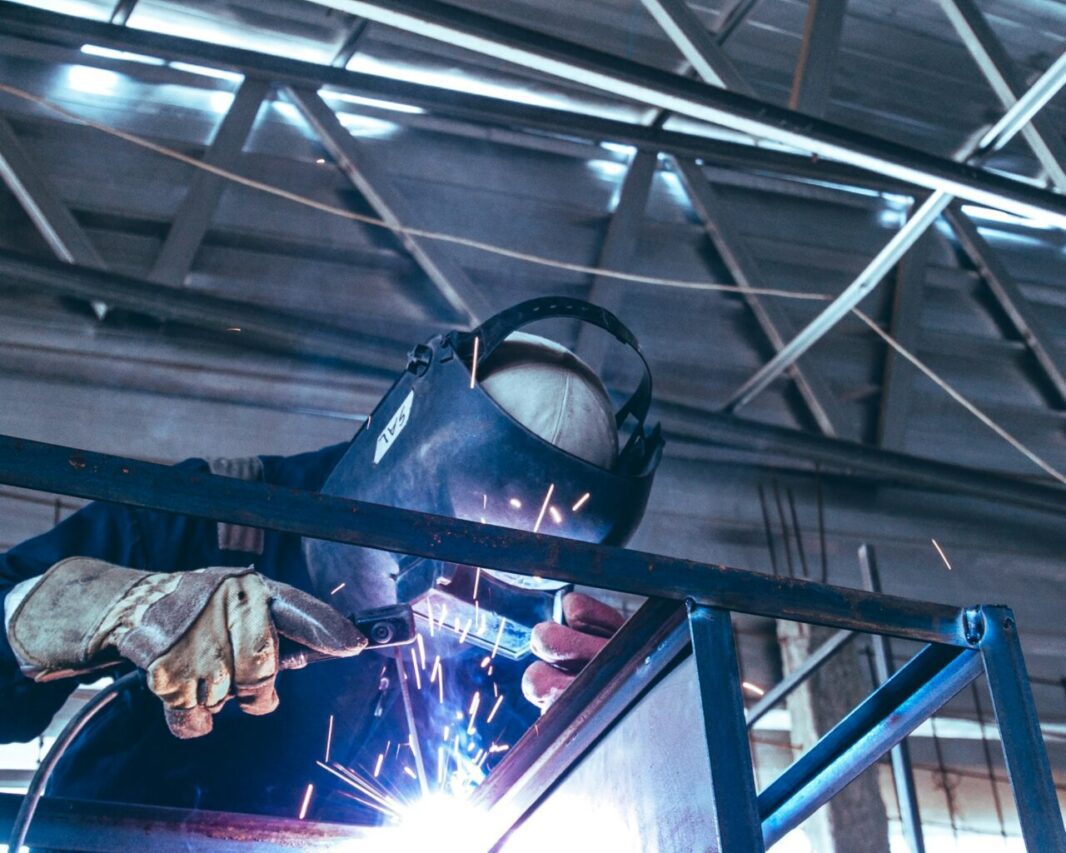
At MPF Engineering, we work alongside industrial businesses throughout New Zealand, providing mechanical installation, piping fabrication, welding, shutdown maintenance, and project management services that help minimise downtime while maximising efficiency.
What Is an Industrial Shutdown?
An industrial shutdown is a planned period during which part—or all—of a manufacturing facility temporarily ceases operation so maintenance, inspections, repairs, upgrades, or new installations can be completed safely.
Unlike emergency repairs, shutdowns are scheduled months in advance to allow every task to be coordinated efficiently.
Typical shutdown activities include:
- Mechanical maintenance
- Pipework replacement
- Stainless steel fabrication
- Structural steel modifications
- Pump and valve replacement
- Conveyor maintenance
- Heat exchanger servicing
- Pressure testing
- Equipment installation
- Safety inspections
- Compliance upgrades
By grouping multiple maintenance activities into one planned shutdown, businesses significantly reduce the risk of unexpected failures later in the year.
Why Shutdown Planning Is So Important
The success of a shutdown depends far more on planning than on the work itself.
Every hour counts.
Without proper planning, contractors wait for materials, equipment sits idle, schedules slip, and production restarts are delayed.
A successful shutdown requires:
- Detailed scope of work
- Engineering drawings
- Material procurement
- Risk assessments
- Site safety planning
- Qualified personnel
- Equipment scheduling
- Quality control procedures
- Commissioning plans
When each stage has been carefully organised, shutdown work progresses smoothly with minimal disruption.

Minimising Downtime Through Expert Coordination
Downtime is expensive.
Manufacturers aim to complete as much work as possible during the shortest practical shutdown window.
This requires experienced contractors capable of handling multiple disciplines simultaneously.
Rather than coordinating separate welding, fabrication, piping, installation and maintenance contractors, many businesses prefer working with an engineering company capable of delivering complete mechanical solutions under one project team.
Integrated project delivery offers several advantages:
- Faster decision-making
- Better communication
- Fewer scheduling conflicts
- Reduced project risk
- Improved quality control
- Faster return to production
This integrated approach helps ensure shutdown projects remain on schedule.
Mechanical Piping Plays a Critical Role
Many industrial shutdowns involve mechanical piping systems.
Over time, pipework experiences:
- Corrosion
- Wear
- Thermal stress
- Fatigue
- Pressure damage
- Product contamination
- Mechanical movement
Shutdown periods provide the perfect opportunity to:
- Replace ageing pipework
- Install new process lines
- Upgrade stainless steel systems
- Modify production layouts
- Improve system efficiency
- Increase production capacity
Properly designed and fabricated piping systems improve both safety and long-term plant performance.
Why Stainless Steel Is Often the Material of Choice
Many New Zealand industries rely heavily on stainless steel fabrication.
This includes:
- Dairy processing
- Food manufacturing
- Beverage production
- Pharmaceutical facilities
- Chemical plants
- Water treatment
- Brewing
- Wine production
Stainless steel provides excellent:
- Corrosion resistance
- Hygiene
- Durability
- Low maintenance
- Long service life
During shutdowns, stainless steel pipework, vessels, platforms and process equipment are often upgraded to improve plant performance while meeting increasingly strict industry standards.
Safety Always Comes First
Industrial shutdowns involve multiple contractors working simultaneously within complex environments.
Potential hazards include:
- Working at heights
- Confined spaces
- Hot work
- Heavy lifting
- High-pressure systems
- Electrical isolation
- Hazardous chemicals
Careful shutdown planning significantly reduces these risks.
Professional engineering contractors implement comprehensive safety procedures including:
- Job Safety Analyses (JSAs)
- Permit systems
- Lock Out Tag Out (LOTO)
- Toolbox meetings
- Hazard identification
- Quality inspections
- Continuous communication
Safety isn’t simply a compliance requirement—it protects people, equipment and production.
Quality Work Prevents Future Problems
Shutdown work must last long after production resumes.
Poor fabrication or rushed installation often leads to:
- Equipment failures
- Costly leaks
- Production interruptions
- Product contamination
- Emergency callouts
Experienced engineering teams focus on precision workmanship from start to finish.
Quality assurance typically includes:
- Weld inspections
- Pressure testing
- Alignment checks
- Dimensional verification
- Material certification
- Commissioning documentation
Investing in quality during a shutdown reduces future maintenance costs.

Supporting New Zealand’s Key Industries
Industrial shutdowns occur across almost every major sector of New Zealand’s economy.
Examples include:
Dairy Processing
Shutdowns are often scheduled between production seasons to upgrade processing equipment and maintain hygiene standards.
Timber & Wood Processing
Mechanical maintenance keeps production lines operating efficiently while reducing unexpected breakdowns.
Geothermal Energy
Shutdowns allow critical infrastructure to be inspected, repaired and upgraded safely.
Food & Beverage Manufacturing
Regular shutdowns support food safety compliance while improving production efficiency.
Manufacturing
Equipment upgrades and process improvements help businesses remain competitive in increasingly demanding markets.
The Value of an Experienced Engineering Partner
Industrial shutdowns involve significant investment.
Choosing the right engineering partner can determine whether a project finishes on time—or overruns by days or even weeks.
An experienced contractor brings:
- Skilled tradespeople
- Proven project management
- Certified welding
- Mechanical installation expertise
- Precision fabrication
- Shutdown experience
- Flexible workforce capacity
- Strong safety culture
Having one trusted engineering partner simplifies project management while improving communication throughout the shutdown.
Why More Businesses Are Planning Earlier
In recent years, manufacturers have become more proactive.
Rather than waiting until equipment begins to fail, businesses are using predictive maintenance data to schedule shutdowns well in advance.
Benefits include:
- Better contractor availability
- Improved budgeting
- Reduced emergency repairs
- Lower maintenance costs
- Increased production reliability
- Better inventory planning
Early planning also provides time for custom fabrication to be completed before production stops, reducing valuable shutdown time.
How MPF Engineering Supports Industrial Shutdowns
MPF Engineering provides complete engineering support for industrial shutdowns throughout New Zealand.
Our experienced team delivers:
- Mechanical installation
- Industrial pipe fabrication
- Stainless steel fabrication
- Carbon steel fabrication
- Certified welding
- Process piping
- Maintenance support
- Shutdown project coordination
- Plant modifications
- Equipment installation
By combining fabrication, engineering and installation under one experienced team, we help clients minimise downtime while maintaining the highest standards of workmanship and safety.
Whether your facility requires a short maintenance shutdown or a major plant upgrade, our focus remains the same: delivering reliable engineering solutions that keep your operation running efficiently.
Conclusion
Industrial shutdowns may temporarily pause production, but they play a vital role in ensuring long-term operational success.
With careful planning, experienced engineering expertise and quality workmanship, shutdowns become opportunities to improve efficiency, reduce maintenance costs and extend the life of valuable equipment.
For manufacturers across New Zealand, investing in planned shutdown maintenance today helps avoid unexpected failures tomorrow.
Partnering with an experienced engineering company like MPF Engineering ensures every shutdown is completed safely, efficiently and with minimal disruption—allowing businesses to return to production with confidence.
Frequently Asked Questions
How often should industrial shutdowns be scheduled?
The frequency depends on the industry, equipment, and production demands. Many facilities schedule annual shutdowns, while others carry out smaller planned maintenance shutdowns throughout the year.
What industries benefit most from shutdown maintenance?
Industries such as dairy processing, food manufacturing, timber processing, geothermal energy, chemical processing, water treatment, and heavy manufacturing all rely on scheduled shutdowns to maintain safe and efficient operations.
What work is typically completed during an industrial shutdown?
Common tasks include mechanical maintenance, process piping installation, stainless steel fabrication, equipment replacement, structural modifications, welding, inspections, testing, and compliance upgrades.
Why is shutdown planning so important?
Careful planning minimises downtime, improves safety, ensures materials and contractors are ready when needed, and helps projects finish on schedule and within budget.
Does MPF Engineering provide shutdown services across New Zealand?
Yes. MPF Engineering supports industrial shutdown projects throughout New Zealand, providing fabrication, mechanical installation, welding, piping, maintenance, and project coordination for a wide range of industries.
Contact MPF

Jun 15, 2026 | Local Business
Oceanix Yacht Care is proud to be a Certified Installer of Feynlab Ceramic Coatings, and we’re excited to share insights into the benefits of these advanced protective coatings with our valued clients.
In both automotive and marine industries, ceramic coatings have become the ultimate solution for keeping your car or boat looking brand new. They provide strong protection against light scratches, harmful UV rays, and other environmental factors that can gradually affect the appearance of your vehicle or vessel.
The advantages of ceramic coatings are unmatched. With proper care and maintenance, your car or boat can remain in pristine condition for years.
However, with all the hype surrounding ceramic coatings, it’s important to separate myth from fact. Understanding what these coatings can—and cannot—do will help you make an informed decision about whether they are the right choice for your prized investment.
In this blog, Feynlab addresses some of the most common myths about ceramic coatings. Knowing the difference between fact and fiction ensures you get the maximum benefit from this cutting-edge protection.

Myth #1 – Ceramic coatings are a one-time solution
Fact: Ceramic coatings are well-known for providing exceptional protection and long-term benefits to your vehicle and boat. However, keep in mind that even the best things require some upkeep. While a ceramic coating is not a “set it and forget it” solution, with proper care and maintenance, you can enjoy its benefits for many years.
Annual maintenance with Oceanix Yacht Care will ensure that your coating remains in top condition and continues to provide the best protection for your vehicle or Boat.
Myth #2 – Ceramic coatings are scratch-proof
Fact: Ceramic coatings can protect your vehicle from light scratches, but they are certainly not scratch-proof. While the coating can provide a layer of protection against shallow scratches, it is not impervious to damage.
Some ceramic coatings, such as the Feynlab self-heal plus, form a highly durable protective layer that helps to heal light scratches and swirls. However, this protection layer is designed to heal light surface scratches rather than major impacts and rock chips.
Myth #3 – Ceramic-coated vehicles/vessels do not require any maintenance or washes
Those new to the detailing world may believe that once their vehicle has been ceramic coated, it no longer requires maintenance or washing.
Fact: While a ceramic-coated vehicle/vessel does offer self-cleaning properties by repelling water and shedding dirt and grime more easily, which helps the vehicle stay cleaner for longer, it certainly is not ‘dirt resistant’ and will still need to be washed regularly.
Myth #4 – Ceramic coatings are pest and chemical-resistant
Fact: Although Feynlab coatings are highly resistant to most chemicals, prolonged exposure to certain things may compromise the coating’s integrity. Therefore, it is recommended to promptly wash the vehicle or boat after contact with substances such as bird droppings or bugs to maintain your vehicle’s coating. We recommend using a high-quality mitt and a good car wash shampoo that is compatible with ceramic-coated vehicles, such as the Feynlab Pure Wash. If you don’t want to clean your Vehicle regularly, then get our team at Oceanix to do it for you.
Myth #5 – Ceramic coatings can hide blemishes
Fact: Although ceramic coatings can provide excellent protection and improve the look of your car’s paint, they are transparent and cannot conceal deep scratches or other flaws. However, some products can help to cover up minor scratches and imperfections on your car’s surface, but this is temporary. For this reason, if you have major blemishes, it’s recommended to carry out a comprehensive paint correction process before applying any ceramic coating for optimal results.
Myth #6 – New Cars / Boats don’t require any prep work
It is often assumed that because they are “new” and have no harmful contaminants on their surface, they do not need any preparation prior to a detailing job. Fact: Even new vehicles come with their own set of invisible contaminants that can quickly and indefinitely ruin your ceramic coating. Regardless of how new the vehicle or boat is, or how clean and shiny it may appear, all it takes is a small amount of residue or dust for a ceramic coating installation to go from flawless to disastrous. Prep work is essential for obtaining and maintaining the benefits of a ceramic coating’s performance and longevity.
Myth #7: A ceramic coating can be applied by anyone
While applying a ceramic coating yourself is possible, it is a complicated and time-consuming process that necessitates specialised knowledge and equipment.
Fact: To ensure proper application, it’s best to leave the job to a professional who has worked with ceramic coatings before. Oceanix Yacht Care has been installing Feynlab Ceramic coatings since 2014.

Feynlab Coating and Product Philosophy
Feynlab’s approach has always been to analyse and identify the technology we are working with (automotive, yacht paint and surfaces) and apply the best protection and maintenance solutions. All FeynLab ceramic nano coatings and other product formulations are our own innovations. They are never reverse-engineered clones or re-branded product offerings with new labels.
We love and revel in the science of ceramic nanotechnology. In fact, you could call it our obsession. This obsession continually pushes us to innovate solutions as automotive and Marine paint and surface materials evolve over time.
Instead of relying on the traditional backbone of Silicon Dioxide (Si02) alone, we embrace a more complex approach combining Si02, Si3N4 (Silicon Nitride), and SiC (Silicon Carbide) to create a product line of coatings to solve all vehicle owner preferences and needs. This philosophy yields exceptionally thick coatings with extreme durability, strong chemical resistance, intense UV and heat protection, a high gloss finish, and an impressive hydrophobic surface, making vehicle and yacht maintenance super fast and simple.
We hope that this has improved your understanding of ceramic coatings. If you have any further questions or concerns, our team at Oceanix Yacht Care are always eager to answer your questions.
Contact Aaron Davies at Oceanix Yacht Care for a free assessment and quote.
Phone: 021 0620 223
Email: aaron@oceanix.co.nz
You May Also Like: The Beginners Guide to Recruitment Agency
Jun 4, 2026 | Local Business
Executive Summary: Hiko Electrical (Papamoa, Tauranga) is a leading local solar panel installer and electrical services company. Founded in 2017, the company is a Master Electricians-accredited team delivering residential and commercial solar PV systems, battery storage, EV chargers, heat pumps, and general electrical work in the Bay of Plenty. Backed by the wider HIKO Group (which includes HIKO Solar and EcoAir Heat Pumps), Hiko leverages deep electrical expertise to design safe, high-quality solar installations tailored to local conditions. With over 240 five-star Google reviews and membership in the BizWin Bay of Plenty directory, Hiko is known for reliable service, honest pricing, and clean workmanship.
Company Overview
Hiko Electrical is a Tauranga-based electrical contractor founded in 2017, operating across Tauranga, Papamoa, Mount Maunganui and the wider Bay of Plenty. The close-knit, local team holds Master Electrician accreditation and has grown rapidly by word-of-mouth, now boasting 240+ five-star reviews. As a member of the HIKO Group, Hiko Electrical works alongside HIKO Solar and EcoAir Heat Pumps under one brand, providing integrated, energy-efficient solutions. In practice, this means clients can get a solar power system from design to installation through the same team that handles their house wiring and heat pump service. Hiko’s values emphasize quality, communication and respect – “doing the job properly, communicating clearly, and treating every client with respect”. The company’s portfolio covers all scales of work: from simple residential call-outs to large commercial fitouts.
According to local directories, Hiko Electrical “stands out in Papamoa, Tauranga” for professional solar and electrical work. Customers frequently praise Hiko’s quick responses, competitive pricing, tidy workmanship, and helpful communication. Over time, Hiko has expanded its team to maintain fast service and cover growing demand: its current capabilities include residential and commercial wiring, renovations, heat pump installation, and end-to-end solar PV installs. The company prides itself on trust – no hidden costs and transparent quotes – and backs every job with full insurance and master electrician expertise.
Services Offered
Hiko Electrical offers a full suite of solar and electrical services tailored to home and business customers in the Bay of Plenty:
- Residential Solar Installations: Custom rooftop PV systems for homes, including grid-tied, hybrid or off-grid designs.
- Commercial Solar Installations: Larger solar arrays for businesses, farms, schools and community buildings.
- Battery Storage: Integration of home battery systems (e.g. lithium-ion batteries like Tesla Powerwall, LG Chem, etc.) for time-shifting and backup.
- EV Charger Installation: Electric vehicle (EV) charger setup (e.g. Tesla Wall Connector, or universal EV chargers) to take advantage of daytime solar production.
- Electrical Maintenance & Repairs: Ongoing servicing of PV and battery systems, as well as general electrician services (switchboard upgrades, lighting, appliances, etc.).
- Monitoring & Support: System monitoring solutions and post-install support.
By virtue of being Master Electricians, Hiko’s team handles all necessary compliance (Certificates of Compliance, signoffs, etc.). They can also liaise with power companies for any required approvals or meter changes. In short, Hiko provides a one-stop solar solution: initial advice and design, quality equipment supply, professional installation, local council and lines-company permitting, and ongoing service.
Typical System Sizes & Pricing
When planning a solar PV system, capacity (in kW) and cost will vary by household or business needs. Below is a comparison table of typical system sizes, components, and price ranges (NZD) in today’s Bay of Plenty market. Prices are approximate; actual quotes depend on panel brand, inverter, roof complexity, and other factors.

- Panels: Quality crystalline modules (monocrystalline/PERC) are standard, with 25-year performance warranties. For example, Fronius uses 8 panels + 3kW inverter for their 3kW package. Hiko typically sources Tier-1 brands (e.g. Jinko, JA Solar, DAS, Tesla Solar) proven in NZ conditions.
- Inverters: String inverters (Fronius, GoodWe, Huawei etc.) from 3–20+ kW are common. Many manufacturers guarantee 10 years (e.g. Fronius 10-year warranty), often extendable to 15.
- Batteries: A popular choice is the Tesla Powerwall 3 (~13.5 kWh) or equivalent. (For reference, Tesla lists a dual-Powerwall system at NZ$24,600 (incl. GST).) Other battery brands (LG, Sungrow, etc.) also range in price.
Because solar installations costs (roof access, wiring run, consents) can vary, Hiko provides fixed quotes after site assessment. In general, NZ solar system prices are around NZ$3,000–$4,500 per kW installed. For example, a standard 6.6 kW residential system in Tauranga runs roughly $12,000–$15,000. A 3 kW system (small home) can start around $9,000. Commercial systems (>10 kW) benefit from economies of scale but still cost tens of thousands of dollars. Hiko can install EV chargers as part of the project – typically adding ~$2,000–$3,500 each for hardware and install.
Local Context: Climate & Usage
Tauranga and Papamoa are exceptionally sunny: about 2,350+ sunshine hours per year. This is one of the highest in NZ, making solar especially productive here. Most homeowners use on the order of 7,000–9,000 kWh/year, so a 6–8 kW system often meets much of a family’s needs. According to EECA, a 5 kW system in the Bay of Plenty can save roughly $1,368 per year on power bills. With current retail rates (~39c/kWh, or ~$0.39/kWh on average in NZ), that equates to fast payback.
Indeed, both industry data and EECA note that solar paybacks are typically 7–9 years under current prices. Rising electricity costs (the North Island average is now over 40c/kWh) make the investment even more attractive. In practice, Hiko finds many Tauranga systems achieve 50–90% reductions in bills. Key factors for ROI include home energy use patterns and orientation; north-facing or east/west-roof systems harness the abundant Bay sunshine effectively.
Regulations, Permits & Grid Connection
Solar installations in Tauranga/Papamoa must meet NZ electrical and building standards, but typically no building consent is needed for roof-mounted panels in residential zones. Solar PV is generally a permitted activity under Tauranga City Council planning rules. Hiko handles the electrical Compliance Certificate (COC) and any switchboard upgrades.
Crucially, New Zealand requires any grid-connected solar to be installed by a licensed electrician and to comply with the Electricity Industry Participation Code. Homeowners must notify their lines company before connecting a generation system. In the Bay of Plenty (Tauranga area), the lines company is Powerco, which (like others) mandates a Distributed Generation (DG) application. Powerco allows up to 10 kW export on single-phase connections and requires systems to meet the AS/NZS 4777.2 inverter standard (with secure communications). Hiko’s process matches industry best-practice: they will lodge the DG application, wait for approval, then schedule the install. After installation, a certified inspector issues the Record of Inspection (ROI) and the meter is converted (to measure exported energy). Only then does the system go live on the grid.
In summary, customers need to: (1) ensure inverter compatibility; (2) apply to the lines co. for export approval; (3) have Hiko do the electrical work and final signoff. Importantly, from May 2026 Vector (neighboring network) introduced dynamic export limits up to 10 kW, reflecting NZ’s move toward smarter grids. This is positive for Tauranga owners too, as it means more of your solar can flow back to the grid if power is needed elsewhere.

A Hiko Electrical van at a Mt Maunganui install – part of the integrated HIKO Group. Customers benefit from one local team handling both solar and electrical infrastructure.
Incentives and Rebates
New Zealand currently offers no direct subsidies for residential solar PV (unlike some countries). EECA’s main home programs focus on insulation and heat pumps, not PV. The government’s Community Renewable Energy Fund (administered by EECA) provides grants for large community projects, but not for individual households.
However, there are some indirect incentives:
- EECA Advice and Financing: The EECA Solar for Homes website and Kiwisaver finance schemes (e.g. Warmer Kiwi Homes or low-interest loans) can help. EECA explicitly notes NZ payback is often 7–12 years.
- Retailer Buy-Back Rates: Power companies in NZ typically credit excess solar at wholesale rates (currently ~7–17c/kWh). While not a subsidy, exporting surplus energy does earn savings.
- Home Battery Rebates: There is an ongoing Battery for Homes scheme (through MBIE/EECA) offering rebates for home batteries. For instance, Tesla currently offers ~$850 NZD back per Powerwall 3 installed (up to $1,700 for two) for orders by mid-2026. (Customers register via Tesla’s portal.) Other battery brands may have similar promotions.
- Energy-Efficient Homes Rating: Installing solar with other energy upgrades can improve a home’s Homestar or Greenstar rating, which may qualify for certain grants or incentives in public housing or community contexts.
Customers should always check EECA/MBIE announcements for new funds. In absence of subsidies, the business case relies on savings. For example, SunshineSolar notes NZ homes recoup solar costs in ~5–8 years. Any local council grant is rare in Tauranga; however, a solar-ready infrastructure (like adding extra roof capacity) can future-proof against any future policy changes.
Technical Topics & FAQs
Solar Panels: Modern solar panels (typically PERC monocrystalline) have >20% efficiency and 25-year performance warranties. They still produce power in overcast conditions (just reduced), as noted on Hiko’s FAQ: “Solar panels still produce energy during cloudy weather, although at lower levels. Battery storage can store excess energy for use at night”. In Bay of Plenty’s mild, sunny climate, degradation is minimal. Example warranties: Jinko or Phono brand panels often carry a 25-year output warranty (80% production at 25y) and 12–15 year product warranty.
Inverters: The inverter is the ‘brain’ of the system. String inverters (e.g. Fronius, Sungrow, Huawei) are common; microinverters (Enphase) or optimizers (SolarEdge) are alternatives. Standard inverter warranties are ~10 years, which Hiko typically meets or exceeds by using high-quality brands. Some companies offer extended warranties (15–20 years) at extra cost.
Battery Types: Most home batteries are lithium-ion (either NMC or LiFePO4 chemistry). Popular NZ options include Tesla Powerwall (NMC), Sonnen (LiFePO4), LG Chem, etc. Warranty is usually 10 years or ~6,000–8,000 cycles. For example, Tesla Powerwall 3 has a 10-year warranty and can cycle daily for ~13 years (depending on use). Hiko can advise on battery sizing: many homes start with one unit (~13.5 kWh) and add more later.
Electrical Balance & Grid-Tie: A grid-tied system sends unused solar to the grid. Hiko ensures the system integrates with your switchboard and complies with the EWR (Electrical Wiring Rules). Safety disconnects and anti-islanding features are installed so that the house is safe during a blackout. If a customer desires backup during outages, Hiko can install an AC-coupled or hybrid inverter with a battery and an automatic transfer switch. In off-grid mode (rare for city homes), the home runs solely on battery/inverter power and generation; Hiko advises this requires much larger battery capacity. As HIKO’s FAQ notes, “It is possible to go off the grid with a solar energy system that includes battery storage”, but most Bay of Plenty homes remain grid-connected for reliability.
Return on Investment (ROI): As noted, typical ROI is ~7–9 years. This assumes electricity cost ~30–40c/kWh. HIKO’s consultants calculate site-specific ROI and can show projected savings. For example, Harrisons Solar reports a 3kW system could save ~$1,330 annually (based on 30c/kWh), leading to a payback in under 8 years. EECA similarly states the shortest payback periods are around 7–8 years. After payback, solar essentially provides “free” electricity (aside from minor maintenance).
Maintenance: Solar PV is low-maintenance. Panel cleaning is seldom needed in Papamoa’s climate (rain usually keeps panels clean). In Hiko’s words, “Solar systems require minimal maintenance” and the team offers affordable check-ups. Inverters should be inspected every 5–10 years, and batteries have battery management systems. Hiko offers service contracts for monitoring, firmware updates, and any troubleshooting.

HIKO Electrical technicians in Tauranga install a rooftop solar array. Hiko is a top-rated local solar installer in Papamoa and the wider Bay of Plenty.
Frequently Asked Questions (FAQs):
- Do solar panels work in winter? Yes – although production is lower, modern panels still generate even on cloudy days. Bay of Plenty’s winter solar potential is good compared to darker regions. Batteries help maximize winter usage.
- Can I sell excess power? Yes – any surplus is exported to the grid. Many NZ retailers credit exported kWh at a “buy-back rate” (typically 7–17c/kWh). We assist in choosing the best retailer/plan for buy-back and consumption.
- What size system do I need? It depends on annual kWh usage and roof area. A typical Tauranga home (7–8 MWh/year) often needs ~6–8 kW of panels. Hiko always recommends an on-site energy audit.
- What about warranties? Panel manufacturers typically guarantee 25 years performance. Inverters ~10 years. Batteries ~10 years. All equipment is from reputable brands, and Hiko can extend warranties through maintenance contracts.
- How quickly will I recoup my investment? On average ~7–9 years, depending on system size and power prices. With rising tariffs, ROI is getting shorter.
- Does solar increase my home value? Studies suggest YES – homes with solar sell faster and at a premium. Estimates range around 3–4% increase in property value for solar-equipped homes.
- What permits do I need? No building consent is typically needed in Tauranga for roof-mounted panels. All electrical work is covered by Hiko’s licensed electrician COC. We handle lines company applications as mentioned.
- What about EV charging? If you have an EV, charging it with solar energy maximizes savings. Hiko can install Level-2 chargers and integrate them with solar/battery schedules (e.g. charging during daylight or cheaper off-peak).
Conclusion
Hiko Electrical is well-positioned as a solar installer in Papamoa and the Bay of Plenty. Combining master electrician skills with solar expertise, Hiko delivers safe, high-quality PV and battery systems matched to local conditions. By highlighting competitive pricing, long warranties, and strong local reviews, Hiko can capture searches like “Papamoa solar panels” or “Tauranga solar installer.” Implementing the above SEO strategies (location keywords, schema, internal links) will further boost Hiko’s visibility in 2026.
With electricity prices high and NZ’s sunny climate, going solar is a smart investment – and Hiko Electrical’s strong local track record and integrated services make it a top choice for Bay of Plenty residents and businesses.
Give us a call on 0800 -464 4456 (0800 GO 4 HIKO)
May 1, 2026 | Local Business
If you’re planning home improvements, upgrading your energy systems, or simply looking for inspiration, the upcoming Tauranga Home Show 2026 is the perfect place to start.
Taking place from 1–3 May 2026 at Mercury Arena Baypark, the show brings together over 300 exhibitors and thousands of homeowners looking to build, renovate, or upgrade their homes.
This year, HIKO Electrical will be there — showcasing their full range of services, from solar installations to heat pumps and residential electrical solutions.
Visit HIKO Electrical at the Show
The Tauranga Home Show is known as the Bay of Plenty’s largest home and lifestyle exhibition, offering visitors access to expert advice, new technologies, and exclusive deals.
At the HIKO stand, you’ll be able to:
-
-
- Speak directly with experienced electricians
- Get advice tailored to your home or project
- Learn about energy-efficient solutions
- Explore options for solar, heating, and electrical upgrades
Whether you’re planning a renovation or just gathering ideas, it’s a great opportunity to connect with local experts.
🔥 Exclusive Show Special – 10% Locals Discount
To celebrate the event, HIKO Electrical is offering a:
10% Locals Discount
This exclusive deal applies to selected services and is available to local Bay of Plenty homeowners.
Home shows are known for special deals and offers you won’t find anywhere else, making it the perfect time to book your next project.

☀️ Solar Power Solutions – Take Control of Your Energy
Solar power continues to grow in popularity across Tauranga and the Bay of Plenty — and for good reason.
At the show, HIKO Solar will be showcasing:
Solar is a smart long-term investment, helping homeowners reduce reliance on the grid and improve energy efficiency year-round.
❄️ Heat Pumps – Stay Warm This Winter
With winter approaching, heating becomes a top priority for many households.
HIKO Air provides:
A professionally installed and serviced heat pump ensures your home stays warm while keeping energy costs under control.
⚡ Electrical Services You Can Rely On
Beyond solar and heat pumps, HIKO Electrical offers a full range of residential and commercial electrical services, including:
- Switchboard upgrades
- Lighting installations
- Renovation wiring
- Safety inspections
- EV charger installations
Their experienced team is known across Tauranga, Papamoa, and Mount Maunganui for delivering high-quality workmanship and reliable service.
Why Visit the Tauranga Home Show?
The Tauranga Home Show is more than just an exhibition — it’s a place to:
- Get inspired for your next project
- Compare products and services
- Access expert advice in one place
- Take advantage of exclusive show deals
With thousands of visitors attending each year, it’s one of the most important home improvement events in the region.
See You There!
If you’re thinking about upgrading your home, improving energy efficiency, or planning future projects, make sure to visit HIKO Electrical at the Tauranga Home Show 2026.
📍 Mercury Arena Baypark
📅 1–3 May 2026
🕘 10am–5pm (Fri & Sat), 10am–4pm (Sun)
Come and chat with the team, explore your options, and take advantage of the 10% locals discount.
Apr 12, 2026 | Local Business
In today’s industrial landscape, material selection plays a critical role in determining the performance, safety, and longevity of engineering projects. Among the wide range of materials available, stainless steel has become a cornerstone of modern industrial engineering.
From food processing facilities to geothermal plants and heavy manufacturing environments, stainless steel is widely used for its durability, corrosion resistance, and hygienic properties. For engineering companies like MPF Engineering, working with stainless steel is not just common practice — it is essential to delivering high-quality, long-lasting solutions.
In this article, we explore why stainless steel is so important in modern industrial engineering and where it delivers the greatest value.
What Makes Stainless Steel Unique?
Stainless steel is an alloy primarily made from iron, carbon, and chromium. The key feature that sets it apart from other metals is its ability to resist corrosion.
The chromium content reacts with oxygen to form a thin, invisible layer on the surface of the steel. This protective layer prevents rust and allows the material to “self-heal” when scratched or damaged.
This unique property makes stainless steel ideal for environments where exposure to moisture, chemicals, or extreme temperatures is common.
Key Benefits of Stainless Steel in Industrial Applications
1. Corrosion Resistance
One of the biggest advantages of stainless steel is its resistance to corrosion. In industries such as food processing, dairy, and chemical manufacturing, equipment is regularly exposed to moisture, cleaning agents, and harsh substances.
Stainless steel maintains its integrity in these environments, reducing the risk of contamination, leaks, and structural failure.
2. Strength and Durability
Stainless steel offers excellent strength, even under high pressure and temperature conditions. This makes it suitable for demanding applications such as process piping systems, pressure vessels, and structural components.
Its durability also means a longer lifespan, reducing the need for frequent replacements or repairs.

3. Hygienic Properties
In industries where cleanliness is critical, such as food production and pharmaceuticals, stainless steel is the material of choice.
Its smooth, non-porous surface makes it easy to clean and sterilise, helping businesses meet strict hygiene standards and regulatory requirements.
4. Low Maintenance Requirements
Compared to other materials, stainless steel requires minimal maintenance. Its resistance to rust and staining reduces the need for protective coatings or frequent upkeep.
This translates into lower long-term costs and improved operational efficiency for industrial facilities.
5. Sustainability and Environmental Benefits
Stainless steel is 100% recyclable and retains its properties even after being reused. Many stainless steel products are made from recycled materials, making it an environmentally responsible choice for modern engineering projects.
For businesses focused on sustainability, stainless steel offers both performance and environmental benefits.
Where Stainless Steel Is Used in Industrial Engineering
Stainless steel plays a critical role across a wide range of industries and applications.
Process Piping Systems
Used extensively to transport liquids and gases safely and efficiently, especially in environments where contamination must be avoided.
Fabrication and Manufacturing
Custom stainless steel fabrication is essential for creating components tailored to specific industrial processes.
Food and Dairy Processing
Stainless steel ensures hygienic production environments and compliance with strict health standards.
Chemical and Geothermal Industries
Its resistance to corrosion and extreme conditions makes it ideal for handling aggressive substances and high temperatures.
Structural and Mechanical Installations
Stainless steel is often used in frameworks, supports, and mechanical systems where strength and longevity are required.
Fabrication and Welding Considerations
Working with stainless steel requires specialised knowledge and expertise. While it offers many advantages, it must be handled correctly during fabrication and welding to maintain its properties.
Key considerations include:
- Using the correct welding techniques to prevent contamination
- Avoiding overheating, which can affect corrosion resistance
- Ensuring clean working environments during fabrication
- Selecting the appropriate grade of stainless steel for each application
Experienced engineering teams understand these requirements and apply strict quality control processes to ensure the final product meets industry standards.
The Long-Term Value of Stainless Steel
Although stainless steel can have a higher upfront cost compared to other materials, its long-term benefits often outweigh the initial investment.
Reduced maintenance, longer lifespan, improved safety, and enhanced performance all contribute to lower total lifecycle costs.
For industrial businesses, this makes stainless steel not just a material choice, but a strategic investment.
Why Expertise Matters
Choosing stainless steel is only part of the equation — proper design, fabrication, and installation are equally important.
Engineering companies with experience in stainless steel fabrication and industrial installation ensure that projects are completed to the highest standards. From selecting the right materials to executing precision welding and installation, expertise plays a crucial role in achieving reliable, long-lasting results.
Conclusion
Stainless steel continues to play a vital role in modern industrial engineering. Its combination of strength, corrosion resistance, hygiene, and sustainability makes it one of the most versatile and valuable materials available today.
For industries across New Zealand, investing in high-quality stainless steel solutions helps ensure safe, efficient, and future-proof operations.

Contact Us
Featured Image Source
Apr 12, 2026 | Local Business
As temperatures drop across Tauranga, Papamoa, and the wider Bay of Plenty, many households notice a sharp increase in their electricity bills. Heating systems, longer evenings, and increased indoor living all contribute to higher energy usage during winter.
While this seasonal rise in power costs is expected, more homeowners are turning to solar power as a way to reduce their reliance on the grid and manage long-term energy expenses.
Here’s how solar power can help reduce your winter power bills — and why it’s becoming an increasingly popular solution across the Bay of Plenty.
1. Offset Daytime Energy Usage
Even in winter, solar panels continue to generate electricity during daylight hours. While production is lower compared to summer, modern solar systems are still highly efficient and can supply a meaningful portion of your daily energy needs.
This means that during the day — when appliances, heating systems, and home offices are running — your solar system can help reduce the amount of electricity you need to purchase from your energy provider.
2. Reduce Heating Costs
Heating is typically the biggest contributor to winter power bills. Heat pumps, in particular, are widely used across New Zealand due to their efficiency.
When paired with solar power, the electricity used to run your heat pump during the day can be partially offset by your solar generation. This creates a more energy-efficient system overall.
For homeowners looking to maximise efficiency, combining solar with a well-maintained heat pump system — supported by the HIKO Air team — is a smart long-term solution.
3. Take Advantage of Modern Solar Efficiency
Solar technology has improved significantly over the years. Today’s panels are designed to perform efficiently even in lower light conditions, meaning they can still generate electricity on cloudy or cooler days.
This makes solar a viable option year-round — not just during summer. With proper system design and placement, homeowners can continue to benefit from solar energy throughout winter.

4. Lower Your Overall Power Consumption
Solar power encourages smarter energy use. Many homeowners shift their electricity usage to daytime hours to take advantage of solar generation. Running appliances such as washing machines, dishwashers, and heating during the day helps maximise the benefit of your system.
Over time, this can lead to noticeable reductions in overall electricity consumption and monthly power bills.
5. Protect Against Rising Energy Costs
Electricity prices can fluctuate over time, and winter demand often puts additional pressure on energy costs. By generating your own power, you reduce your reliance on the grid and gain more control over your long-term energy expenses.
Solar provides a level of stability and predictability that traditional energy sources cannot offer.
6. Prepare Your Home for the Future
More homeowners across the Bay of Plenty are looking for ways to future-proof their homes. Solar power is a key part of that shift, especially when combined with:
- energy-efficient heating systems
- battery storage (optional)
- modern electrical infrastructure
Installing solar today helps prepare your home for evolving energy needs, including electric vehicles and smart home technology.
Solar systems also rely on safe and modern electrical setups, which is why the HIKO Electrical team ensures your home is properly equipped to support installation.
Smart Energy Solutions for Bay of Plenty Homes
At HIKO Solar, we design and install high-quality solar systems tailored to homes across Tauranga, Mount Maunganui, Papamoa, and the wider Bay of Plenty.
Our goal is simple: help homeowners reduce energy costs, improve efficiency, and take control of their power usage — all year round.
As part of the wider HIKO Group, we also work alongside HIKO Electrical and HIKO Air to provide complete home energy solutions, from electrical upgrades to efficient heating systems.
If you’re looking for a smarter way to manage your winter power bills, solar is a solution worth considering.

CONTACT HIKO SOLAR TODAY