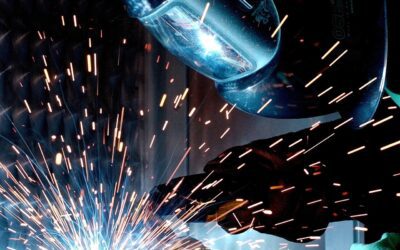
How Industrial Shutdowns Keep New Zealand Manufacturing Running Efficiently

How Industrial Shutdowns Keep New Zealand Manufacturing Running Efficiently

Industrial facilities rarely have the luxury of stopping production. Whether operating in food processing, dairy, timber, geothermal energy, chemical manufacturing, or heavy industry, every hour of downtime can represent thousands, or even millions of dollars in lost productivity.

Yet despite this, scheduled industrial shutdowns remain one of the most important investments a business can make.

Rather than viewing shutdowns as costly interruptions, successful manufacturers see them as carefully planned opportunities to improve equipment reliability, reduce operational risk, extend asset life, and prepare facilities for future production demands.

Across New Zealand, companies are increasingly recognising that well-executed shutdowns are the difference between reactive maintenance and long-term operational excellence.

At MPF Engineering, we work alongside industrial businesses throughout New Zealand, providing mechanical installation, piping fabrication, welding, shutdown maintenance, and project management services that help minimise downtime while maximising efficiency.


What Is an Industrial Shutdown?

An industrial shutdown is a planned period during which part—or all—of a manufacturing facility temporarily ceases operation so maintenance, inspections, repairs, upgrades, or new installations can be completed safely.

Unlike emergency repairs, shutdowns are scheduled months in advance to allow every task to be coordinated efficiently.

Typical shutdown activities include:

  • Mechanical maintenance
  • Pipework replacement
  • Stainless steel fabrication
  • Structural steel modifications
  • Pump and valve replacement
  • Conveyor maintenance
  • Heat exchanger servicing
  • Pressure testing
  • Equipment installation
  • Safety inspections
  • Compliance upgrades

By grouping multiple maintenance activities into one planned shutdown, businesses significantly reduce the risk of unexpected failures later in the year.


Why Shutdown Planning Is So Important

The success of a shutdown depends far more on planning than on the work itself.

Every hour counts.

Without proper planning, contractors wait for materials, equipment sits idle, schedules slip, and production restarts are delayed.

A successful shutdown requires:

  • Detailed scope of work
  • Engineering drawings
  • Material procurement
  • Risk assessments
  • Site safety planning
  • Qualified personnel
  • Equipment scheduling
  • Quality control procedures
  • Commissioning plans

When each stage has been carefully organised, shutdown work progresses smoothly with minimal disruption.

Team of engineers discussing an industrial shutown.


Minimising Downtime Through Expert Coordination

Downtime is expensive.

Manufacturers aim to complete as much work as possible during the shortest practical shutdown window.

This requires experienced contractors capable of handling multiple disciplines simultaneously.

Rather than coordinating separate welding, fabrication, piping, installation and maintenance contractors, many businesses prefer working with an engineering company capable of delivering complete mechanical solutions under one project team.

Integrated project delivery offers several advantages:

  • Faster decision-making
  • Better communication
  • Fewer scheduling conflicts
  • Reduced project risk
  • Improved quality control
  • Faster return to production

This integrated approach helps ensure shutdown projects remain on schedule.


Mechanical Piping Plays a Critical Role

Many industrial shutdowns involve mechanical piping systems.

Over time, pipework experiences:

  • Corrosion
  • Wear
  • Thermal stress
  • Fatigue
  • Pressure damage
  • Product contamination
  • Mechanical movement

Shutdown periods provide the perfect opportunity to:

  • Replace ageing pipework
  • Install new process lines
  • Upgrade stainless steel systems
  • Modify production layouts
  • Improve system efficiency
  • Increase production capacity

Properly designed and fabricated piping systems improve both safety and long-term plant performance.


Why Stainless Steel Is Often the Material of Choice

Many New Zealand industries rely heavily on stainless steel fabrication.

This includes:

  • Dairy processing
  • Food manufacturing
  • Beverage production
  • Pharmaceutical facilities
  • Chemical plants
  • Water treatment
  • Brewing
  • Wine production

Stainless steel provides excellent:

  • Corrosion resistance
  • Hygiene
  • Durability
  • Low maintenance
  • Long service life

During shutdowns, stainless steel pipework, vessels, platforms and process equipment are often upgraded to improve plant performance while meeting increasingly strict industry standards.


Safety Always Comes First

Industrial shutdowns involve multiple contractors working simultaneously within complex environments.

Potential hazards include:

  • Working at heights
  • Confined spaces
  • Hot work
  • Heavy lifting
  • High-pressure systems
  • Electrical isolation
  • Hazardous chemicals

Careful shutdown planning significantly reduces these risks.

Professional engineering contractors implement comprehensive safety procedures including:

  • Job Safety Analyses (JSAs)
  • Permit systems
  • Lock Out Tag Out (LOTO)
  • Toolbox meetings
  • Hazard identification
  • Quality inspections
  • Continuous communication

Safety isn’t simply a compliance requirement—it protects people, equipment and production.


Quality Work Prevents Future Problems

Shutdown work must last long after production resumes.

Poor fabrication or rushed installation often leads to:

  • Equipment failures
  • Costly leaks
  • Production interruptions
  • Product contamination
  • Emergency callouts

Experienced engineering teams focus on precision workmanship from start to finish.

Quality assurance typically includes:

  • Weld inspections
  • Pressure testing
  • Alignment checks
  • Dimensional verification
  • Material certification
  • Commissioning documentation

Investing in quality during a shutdown reduces future maintenance costs.

Engineer working on an industrial shutdown project.


Supporting New Zealand’s Key Industries

Industrial shutdowns occur across almost every major sector of New Zealand’s economy.

Examples include:

Dairy Processing

Shutdowns are often scheduled between production seasons to upgrade processing equipment and maintain hygiene standards.

Timber & Wood Processing

Mechanical maintenance keeps production lines operating efficiently while reducing unexpected breakdowns.

Geothermal Energy

Shutdowns allow critical infrastructure to be inspected, repaired and upgraded safely.

Food & Beverage Manufacturing

Regular shutdowns support food safety compliance while improving production efficiency.

Manufacturing

Equipment upgrades and process improvements help businesses remain competitive in increasingly demanding markets.


The Value of an Experienced Engineering Partner

Industrial shutdowns involve significant investment.

Choosing the right engineering partner can determine whether a project finishes on time—or overruns by days or even weeks.

An experienced contractor brings:

  • Skilled tradespeople
  • Proven project management
  • Certified welding
  • Mechanical installation expertise
  • Precision fabrication
  • Shutdown experience
  • Flexible workforce capacity
  • Strong safety culture

Having one trusted engineering partner simplifies project management while improving communication throughout the shutdown.


Why More Businesses Are Planning Earlier

In recent years, manufacturers have become more proactive.

Rather than waiting until equipment begins to fail, businesses are using predictive maintenance data to schedule shutdowns well in advance.

Benefits include:

  • Better contractor availability
  • Improved budgeting
  • Reduced emergency repairs
  • Lower maintenance costs
  • Increased production reliability
  • Better inventory planning

Early planning also provides time for custom fabrication to be completed before production stops, reducing valuable shutdown time.


How MPF Engineering Supports Industrial Shutdowns

MPF Engineering provides complete engineering support for industrial shutdowns throughout New Zealand.

Our experienced team delivers:

  • Mechanical installation
  • Industrial pipe fabrication
  • Stainless steel fabrication
  • Carbon steel fabrication
  • Certified welding
  • Process piping
  • Maintenance support
  • Shutdown project coordination
  • Plant modifications
  • Equipment installation

By combining fabrication, engineering and installation under one experienced team, we help clients minimise downtime while maintaining the highest standards of workmanship and safety.

Whether your facility requires a short maintenance shutdown or a major plant upgrade, our focus remains the same: delivering reliable engineering solutions that keep your operation running efficiently.


Conclusion

Industrial shutdowns may temporarily pause production, but they play a vital role in ensuring long-term operational success.

With careful planning, experienced engineering expertise and quality workmanship, shutdowns become opportunities to improve efficiency, reduce maintenance costs and extend the life of valuable equipment.

For manufacturers across New Zealand, investing in planned shutdown maintenance today helps avoid unexpected failures tomorrow.

Partnering with an experienced engineering company like MPF Engineering ensures every shutdown is completed safely, efficiently and with minimal disruption—allowing businesses to return to production with confidence.


Frequently Asked Questions

How often should industrial shutdowns be scheduled?

The frequency depends on the industry, equipment, and production demands. Many facilities schedule annual shutdowns, while others carry out smaller planned maintenance shutdowns throughout the year.

What industries benefit most from shutdown maintenance?

Industries such as dairy processing, food manufacturing, timber processing, geothermal energy, chemical processing, water treatment, and heavy manufacturing all rely on scheduled shutdowns to maintain safe and efficient operations.

What work is typically completed during an industrial shutdown?

Common tasks include mechanical maintenance, process piping installation, stainless steel fabrication, equipment replacement, structural modifications, welding, inspections, testing, and compliance upgrades.

Why is shutdown planning so important?

Careful planning minimises downtime, improves safety, ensures materials and contractors are ready when needed, and helps projects finish on schedule and within budget.

Does MPF Engineering provide shutdown services across New Zealand?

Yes. MPF Engineering supports industrial shutdown projects throughout New Zealand, providing fabrication, mechanical installation, welding, piping, maintenance, and project coordination for a wide range of industries.


Contact MPF

MPF Engineering Tauranga

The Role of Stainless Steel in Modern Industrial Engineering

The Role of Stainless Steel in Modern Industrial Engineering

In today’s industrial landscape, material selection plays a critical role in determining the performance, safety, and longevity of engineering projects. Among the wide range of materials available, stainless steel has become a cornerstone of modern industrial engineering.

From food processing facilities to geothermal plants and heavy manufacturing environments, stainless steel is widely used for its durability, corrosion resistance, and hygienic properties. For engineering companies like MPF Engineering, working with stainless steel is not just common practice — it is essential to delivering high-quality, long-lasting solutions.

In this article, we explore why stainless steel is so important in modern industrial engineering and where it delivers the greatest value.


What Makes Stainless Steel Unique?

Stainless steel is an alloy primarily made from iron, carbon, and chromium. The key feature that sets it apart from other metals is its ability to resist corrosion.

The chromium content reacts with oxygen to form a thin, invisible layer on the surface of the steel. This protective layer prevents rust and allows the material to “self-heal” when scratched or damaged.

This unique property makes stainless steel ideal for environments where exposure to moisture, chemicals, or extreme temperatures is common.


Key Benefits of Stainless Steel in Industrial Applications

1. Corrosion Resistance

One of the biggest advantages of stainless steel is its resistance to corrosion. In industries such as food processing, dairy, and chemical manufacturing, equipment is regularly exposed to moisture, cleaning agents, and harsh substances.

Stainless steel maintains its integrity in these environments, reducing the risk of contamination, leaks, and structural failure.


2. Strength and Durability

Stainless steel offers excellent strength, even under high pressure and temperature conditions. This makes it suitable for demanding applications such as process piping systems, pressure vessels, and structural components.

Its durability also means a longer lifespan, reducing the need for frequent replacements or repairs.

Piping Process Piping


3. Hygienic Properties

In industries where cleanliness is critical, such as food production and pharmaceuticals, stainless steel is the material of choice.

Its smooth, non-porous surface makes it easy to clean and sterilise, helping businesses meet strict hygiene standards and regulatory requirements.


4. Low Maintenance Requirements

Compared to other materials, stainless steel requires minimal maintenance. Its resistance to rust and staining reduces the need for protective coatings or frequent upkeep.

This translates into lower long-term costs and improved operational efficiency for industrial facilities.


5. Sustainability and Environmental Benefits

Stainless steel is 100% recyclable and retains its properties even after being reused. Many stainless steel products are made from recycled materials, making it an environmentally responsible choice for modern engineering projects.

For businesses focused on sustainability, stainless steel offers both performance and environmental benefits.


Where Stainless Steel Is Used in Industrial Engineering

Stainless steel plays a critical role across a wide range of industries and applications.

Process Piping Systems

Used extensively to transport liquids and gases safely and efficiently, especially in environments where contamination must be avoided.

Fabrication and Manufacturing

Custom stainless steel fabrication is essential for creating components tailored to specific industrial processes.

Food and Dairy Processing

Stainless steel ensures hygienic production environments and compliance with strict health standards.

Chemical and Geothermal Industries

Its resistance to corrosion and extreme conditions makes it ideal for handling aggressive substances and high temperatures.

Structural and Mechanical Installations

Stainless steel is often used in frameworks, supports, and mechanical systems where strength and longevity are required.


Fabrication and Welding Considerations

Working with stainless steel requires specialised knowledge and expertise. While it offers many advantages, it must be handled correctly during fabrication and welding to maintain its properties.

Key considerations include:

  • Using the correct welding techniques to prevent contamination
  • Avoiding overheating, which can affect corrosion resistance
  • Ensuring clean working environments during fabrication
  • Selecting the appropriate grade of stainless steel for each application

Experienced engineering teams understand these requirements and apply strict quality control processes to ensure the final product meets industry standards.


The Long-Term Value of Stainless Steel

Although stainless steel can have a higher upfront cost compared to other materials, its long-term benefits often outweigh the initial investment.

Reduced maintenance, longer lifespan, improved safety, and enhanced performance all contribute to lower total lifecycle costs.

For industrial businesses, this makes stainless steel not just a material choice, but a strategic investment.


Why Expertise Matters

Choosing stainless steel is only part of the equation — proper design, fabrication, and installation are equally important.

Engineering companies with experience in stainless steel fabrication and industrial installation ensure that projects are completed to the highest standards. From selecting the right materials to executing precision welding and installation, expertise plays a crucial role in achieving reliable, long-lasting results.


Conclusion

Stainless steel continues to play a vital role in modern industrial engineering. Its combination of strength, corrosion resistance, hygiene, and sustainability makes it one of the most versatile and valuable materials available today.

For industries across New Zealand, investing in high-quality stainless steel solutions helps ensure safe, efficient, and future-proof operations.

MPF Engineering Tauranga

Contact Us


Featured Image Source

Process Piping in Industrial Plants: Key Design & Installation Considerations

Process Piping in Industrial Plants: Key Design & Installation Considerations

Industrial facilities rely heavily on process piping systems to safely transport liquids, gases, and other materials throughout their operations. From manufacturing plants and food processing facilities to geothermal energy installations and heavy industry, well-designed piping systems are critical to efficiency, safety, and long-term operational performance.

Because process piping carries materials under varying pressures, temperatures, and chemical conditions, the design and installation of these systems require specialist engineering knowledge and strict adherence to industry standards. In this article, we explore the key considerations that industrial facilities must address when designing and installing process piping systems.


Understanding Process Piping Systems

Process piping refers to the network of pipes used within industrial facilities to transport fluids between equipment such as pumps, heat exchangers, pressure vessels, and storage tanks. These systems differ from typical plumbing systems because they are engineered to operate under highly controlled conditions.

Depending on the application, process piping may transport:

  • Chemicals and industrial fluids

  • Steam and compressed gases

  • Water used in manufacturing processes

  • Food-grade liquids in processing facilities

  • High-temperature or corrosive substances

Because of these demanding conditions, every component within the piping system must be carefully selected and engineered to ensure reliability and safety.


1. Material Selection for Process Piping

One of the most important design decisions in any piping system is choosing the correct materials. Industrial environments often involve corrosive chemicals, high temperatures, or pressure variations, all of which place significant stress on piping systems.

Common materials used in industrial piping include:

  • Stainless steel, known for its corrosion resistance and durability

  • Carbon steel, commonly used for high-pressure systems

  • Alloy steels, suitable for extreme temperatures

  • Specialised exotic materials used in demanding environments

In industries such as food processing, dairy manufacturing, and pharmaceuticals, stainless steel is particularly important due to its hygienic properties and resistance to contamination.

Selecting the wrong material can lead to premature wear, corrosion, or even catastrophic failure. This is why experienced engineering teams carefully evaluate the operating conditions before specifying materials for any piping system.

Process Piping


2. Compliance with Engineering Standards

Process piping systems must comply with strict industry standards to ensure safety and reliability. International standards such as ASME (American Society of Mechanical Engineers) codes are commonly used as benchmarks for design and installation.

These standards cover important aspects such as:

  • Pipe wall thickness and pressure ratings

  • Welding procedures and quality assurance

  • Inspection and testing requirements

  • Safety considerations for high-pressure systems

Compliance with recognised engineering standards not only protects workers and equipment but also ensures that installations meet regulatory requirements and industry best practices.

Experienced engineering contractors are familiar with these standards and integrate them into every stage of the project, from design to final commissioning.


3. Precision Fabrication and Welding

High-quality fabrication and welding are essential for reliable process piping systems. Poor welds or inaccurate fabrication can result in leaks, structural weakness, or long-term maintenance issues.

Professional engineering workshops use specialised fabrication equipment and qualified welders to produce piping components with precision. Welding procedures must follow approved specifications, ensuring consistent strength and durability throughout the system.

Advanced welding techniques may also be required when working with exotic materials or specialised alloys used in high-performance industrial environments.

Quality control during fabrication ensures that every pipe section, flange, and fitting meets strict engineering tolerances before installation begins.


4. Installation and System Integration

Even the best-designed piping system can fail if installation is not carried out correctly. Mechanical installation requires experienced technicians who understand both engineering drawings and real-world site conditions.

During installation, several factors must be carefully managed, including:

  • Correct pipe alignment and support structures

  • Thermal expansion allowances

  • Integration with existing equipment and plant systems

  • Pressure testing and commissioning procedures

Proper installation ensures that the piping system performs as intended without placing unnecessary stress on connected equipment such as pumps and valves.

In complex industrial environments, installation teams must also coordinate closely with other trades and engineering disciplines to ensure the project progresses efficiently and safely.

Piping Process Piping

Image Source


5. Long-Term Maintenance and Reliability

Process piping systems are a long-term investment, and ongoing maintenance plays a crucial role in ensuring reliability over time. Industrial facilities typically implement preventative maintenance programs that include inspections, pressure testing, and monitoring for corrosion or fatigue.

Key maintenance considerations include:

  • Regular inspection of welds and joints

  • Monitoring for corrosion or material degradation

  • Ensuring pipe supports remain secure

  • Replacing worn components before failure occurs

Preventative maintenance planning helps facilities avoid costly downtime and ensures that critical systems remain operational when they are needed most.

Engineering companies with experience in maintenance and shutdown services can support facilities in maintaining safe and efficient piping systems throughout their lifecycle.


The Importance of Experienced Engineering Expertise

Process piping is a critical component of industrial infrastructure. Poorly designed or improperly installed systems can lead to production interruptions, safety hazards, and expensive repairs.

Working with experienced engineering professionals ensures that piping systems are designed, fabricated, and installed to the highest standards. From material selection and welding quality to installation and long-term maintenance, every stage of the process requires precision and technical expertise.

For industrial facilities across New Zealand, reliable process piping solutions play an essential role in supporting safe, efficient, and productive operations.

MPF Engineering Tauranga


Featured Image Source

MPF Engineering: Your Top Choice for Quality Engineering Solutions in New Zealand

MPF Engineering: Your Top Choice for Quality Engineering Solutions in New Zealand

MPF Engineering is a Kiwi-owned and operated company in Tauranga, New Zealand, specializing in engineering excellence, offering a comprehensive range of services tailored to various industries, and backed by a 5-year warranty on pipe work.

Company Overview: MPF Engineering

MPF Engineering is a renowned Kiwi-owned and operated company that has solidified its position as a leading provider of engineering excellence in New Zealand’s industry. With its headquarters located at 26 Fifteenth Avenue, Tauranga, MPF Engineering has been delivering guaranteed work and quality assurance to its clients, making it a trusted partner for a diverse range of engineering projects. The company’s commitment to excellence is exemplified by its comprehensive range of services and a remarkable 5-year warranty on pipework, ensuring long-term client satisfaction and peace of mind.

For instance, in the installation of process and service piping for the petrochemical industry, MPF Engineering has consistently delivered top-notch services tailored to the specific needs of this sector. By leveraging its expertise and adherence to industry standards, the company has completed numerous projects, catering to the complex requirements and safety protocols inherent in the petrochemical industry. Similarly, in the oil and gas sector, MPF Engineering’s unwavering commitment to quality and efficiency has resulted in the successful fabrication and installation of high-pressure piping systems, contributing to the operational reliability of oil and gas facilities. This track record of excellence underscores the company’s ability to meet and exceed the expectations of clients across various industries, solidifying its reputation as a reliable and proficient engineering partner.

MPF Engineering’s team holds a diverse range of certifications, including ASME IX, NZ, and AS codes for pressure piping, ensuring that the company’s engineering practices adhere to the highest industry standards for safety and efficiency. These certifications are pivotal in demonstrating the company’s expertise and proficiency in executing engineering projects across different industries. For example, in the geothermal and generation industries, the company’s ASME IX certification ensures that it possesses the requisite knowledge and skills to handle the unique challenges and safety requirements associated with pressure piping in these sectors. This expertise is a crucial factor in the successful delivery of projects, providing clients with the assurance that their engineering solutions are in capable hands.

MPF Engineering’s commitment to quality assurance and its 5-year warranty on pipe work highlights the company’s dedication to maintaining the highest standards in piping manufacture and maintenance. This emphasis on quality not only instils confidence in clients but also serves as a testament to the company’s unwavering dedication to delivering exceptional engineering solutions across various industries. These measures underscore MPF Engineering’s focus on long-term customer satisfaction and its assurance that clients receive reliable and long-lasting engineering solutions.

The company’s highly qualified team, which includes over 30 certified engineers and 40 welding procedures, ensures that MPF Engineering possesses the necessary skills and expertise to deliver top-notch engineering solutions. This diverse and highly skilled team enables the company to cater to a wide range of client needs, ensuring that each project is handled with the utmost professionalism and proficiency. The company’s commitment to accommodating diverse client requirements is further exemplified through the provision of flexible working hours and customised pricing structures, reflecting its dedication to providing exceptional services while establishing long-lasting and mutually beneficial relationships with its clients.

MPF Engineering

MPF Engineering’s innovative approach to pipe fabrication sets it apart in the industry. The company not only utilizes current pipe fabrication techniques but also specializes in manufacturing piping to food grade and ASME Standards, ensuring the highest quality and safety standards in its products. This innovation is pivotal in addressing the specific requirements of different industries. For example, in the food and beverage industry, the company’s expertise in manufacturing piping to food-grade standards ensures that the piping meets the strict hygiene and quality regulations essential for food-grade applications. This meticulous attention to detail demonstrates MPF Engineering’s commitment to delivering top-notch solutions tailored to specific industry requirements. Furthermore, the company’s focus on sustainability and environmental responsibility underscores its dedication to exploring new materials and manufacturing processes aligned with eco-friendly practices, contributing to a greener, more sustainable future.

If you’re interested in learning more about MPF Engineering’s services or have any inquiries, you can easily reach out to them at 021 084 71162 or via email at admin@mpfengineering.com. The dedicated team is available during regular working hours, from Monday to Friday, 7 am to 4 pm, ensuring that they are accessible to clients seeking professional engineering services and reflecting their commitment to being available at times convenient for their customers. This accessibility demonstrates their dedication to being available when their clients need them, fostering a strong and reliable client-business relationship. Furthermore, the company’s availability during regular working hours ensures that clients can easily connect with their experts to discuss specific requirements and explore the services offered, solidifying MPF Engineering as a dependable partner for engineering solutions.

MPF Engineering’s distinct advantages lie in its comprehensive range of services and its unwavering commitment to quality and excellence. The company’s expertise is evident in its ability to cater to a wide array of industries, including petrochemical, oil and gas, geothermal, and generation, making it a versatile and reliable choice for various engineering projects. Furthermore, the company’s Kiwi ownership and innovative approach set it apart in the industry, allowing it to understand the unique needs and challenges of the New Zealand market. This locally owned and operated status enables MPF Engineering to provide tailored and effective engineering solutions, ensuring that clients benefit from cutting-edge engineering techniques and project management practices, guaranteeing efficient and effective outcomes.

In conclusion, MPF Engineering stands out as a frontrunner in engineering excellence in New Zealand’s industry, offering a comprehensive range of services and a proven track record of success. With over 1200 successful projects completed and a client base of over 400 satisfied customers, MPF Engineering has demonstrated its commitment to delivering high-quality engineering solutions across various industries. Clients are encouraged to take advantage of MPF Engineering’s guaranteed 5-year warranty on pipework, ensuring peace of mind and quality assurance for their engineering projects.

The company’s commitment to adhering to ASME IX, NZ, and AS codes for pressure piping underscores its dedication to safety and efficiency in engineering practices, providing clients with the confidence that their projects are in capable hands. For those seeking specialized welding services, MPF Engineering’s expertise in stainless steel and exotic material welding, manufacturing components, and piping using materials such as austenitic stainless steels, duplexes, and titanium is a testament to their proficiency in this specialized area. For more details and to explore the full range of services offered by MPF Engineering, visit their website at MPF Engineering and take the first step towards leveraging the reputable services offered by the company.

With a focus on quality, innovation, and customer satisfaction, MPF Engineering is well-equipped to address the diverse needs of clients across various industries, delivering unparalleled engineering solutions tailored to their unique requirements.

MPF Engineering

Pin It on Pinterest