Nov 16, 2023 | Local Business
Keeping Cool With Heat Pumps This Summer
Summer is right around the corner, and for many homeowners, that means dusting off the old window AC units in preparation for the impending heat. But there is a better solution for keeping your home cool during the hot summer months – heat pumps.
When we talk about heat pumps, we don’t tell the whole story. It may seem like a crazy time to discuss heat pumps, but they are not just about heating! While it may get steaming hot across the country, the winter will come eventually. Heat pumps are incredibly versatile systems that can provide both heating and cooling for your home. Let’s explore why heat pumps are the ideal system for staying comfortable this summer.
How Do Heat Pumps Work?
Heat pumps work by moving heat, rather than generating it as many other HVAC systems do. During the summer, a heat pump removes heat from the indoors and moves it outside, keeping your home nice and cool.
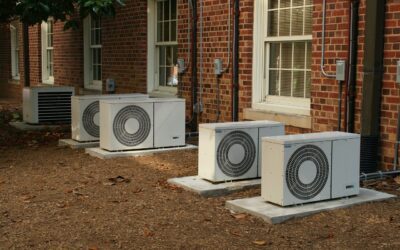
A heat pump system consists of an outdoor unit, much like an AC condenser, as well as indoor air handling units. The outdoor unit contains a compressor and coils that circulate refrigerant, which absorbs heat from your home. As the hot refrigerant moves through the coils in the outdoor unit, the heat dissipates outside, leaving cooled refrigerant to be pumped back indoors.
Inside, the cooled refrigerant flows through another set of coils, which absorb heat from the indoor air and provide cool air to your home. The refrigerant is then pumped back to the outdoor unit, and the cycle continues.

Benefits of Heat Pumps for Summer
There are many reasons why heat pumps are the best option for cooling your home during the hot summer months:
- Energy efficiency – Heat pumps provide cooling at a much higher efficiency than traditional AC units. This means lower energy bills, even on the hottest days.
- Whole home cooling – Unlike window units, heat pumps can cool your entire home from a single system. No more sweating it out in certain rooms!
- Comfort – Heat pumps circulate and filter the air, keeping temperatures consistent and removing dust and allergens.
- Versatility – As mentioned, heat pumps work for both cooling and heating. Get the best of both worlds with one system.
- Quiet operation – Modern heat pumps produce very little noise compared to older AC units. Keep the windows open and enjoy the fresh air without disruptive noise.
- Clean air – Heat pumps reduce airborne bacteria, mold spores, and other contaminants through air filters. Great news for allergy sufferers!
- Cost savings – The energy efficiency and dual functionality of heat pumps lead to lower utility bills year-round.
Heat Pump Features for Summer Cooling
There are certain features and modes that make heat pumps ideal cooling solutions for summer:
- Variable speed compressor – This allows the system to adjust cooling output based on conditions and demand, providing very efficient operation.
- Dehumidification mode – Heat pumps can reduce indoor humidity levels to keep things comfortable, not clammy.
- Powerful mode – Turbo charge the cooling temporarily when you need an extra blast of chill.
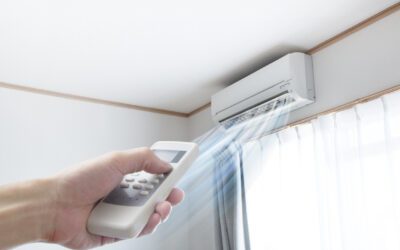
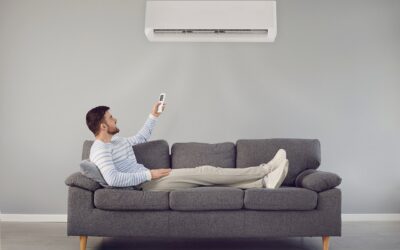
- Remote control – Control your comfort from anywhere in the home. Crank up the cold before you walk in the door!
- Sleep mode – Have the system gradually adjust temps overnight for uninterrupted sleep.
- Smart/app control – New WiFi-enabled pumps can integrate with home automation systems and be controlled via smartphones.
- Zoned cooling – Separate temperature control for different areas of the home for customized comfort.
Heat Pump Brands We Recommend
There are many great heat pump brands on the market from major manufacturers like Daikin, Mitsubishi, Fujitsu, and more. We recommend the following models for superior cooling performance, efficiency, and features:
Daikin Fit – Extremely energy efficient and whisper quiet. Great for indoor installation and open floor plans.
Mitsubishi Hyper Heat – Provide efficient cooling even when it’s down to -13°F outdoors! Ideal for hot humid climates.
Fujitsu Halcyon – Excellent humidification control. Large capacity for cooling large spaces. WiFi connectivity.
Carrier Infinity – Variable speed operation, dehumidification modes, and smart home integration. Top of the line.
Trane XV – Durable, reliable, highly efficient. Great for multi-stage cooling. Integrates with smart home platforms.
LG Art Cool – Gorgeous aesthetic design, slim and modern. Whisper quiet operation.
No matter which reputable brand you choose, proper installation by qualified technicians is critical to ensure optimal performance and longevity. Contact our team for expert heat pump installation and maintenance.
Heat Pumps Beyond Cooling
The benefits of heat pumps extend well beyond just cooling your home in summer. Here are some other ways heat pumps can improve comfort and efficiency year-round:
- Heating – Heat pumps are extremely effective home heating systems in mild to moderate climates. Save hugely on bills compared to electric or gas heat.
- Hot water – An add-on heat pump water heater provides endless hot water far more efficiently than conventional water heaters.
- Air purification – Filter out dust, pollen, pet dander, mold spores, and other irritants for cleaner indoor air.
- Ventilation – System fans circulate air and create healthy airflow throughout your home.
- Zoned comfort – Separate temperature control for different areas of your home for customized comfort.
- Humidity control – Manage indoor humidity levels year-round for maximum comfort and efficiency.
- Smart connectivity – New WiFi-enabled models allow remote access, automation, and voice control.
- Rebates and incentives – Many utilities offer rebates and incentives for installing energy efficient heat pumps.
Heat pumps have come a long way in recent years, with vast improvements in technology, efficiency, and capabilities. They are hands down the best investment you can make for staying comfortable this summer and saving big on energy costs year-round.

Frequently Asked Questions About Heat Pumps
Here are answers to some of the most common questions homeowners have about heat pumps:
How is a heat pump different from air conditioning?
- Air conditioners only provide cooling, while heat pumps can provide both heating and cooling from a single system. Heat pumps move heat, while AC units generate cold air.
Is a heat pump just a reverse air conditioner?
- Essentially yes. The refrigeration cycle is reversed to either absorb heat indoors and discharge it outdoors (cooling) or absorb heat outdoors and discharge it indoors (heating).
Can I replace my furnace entirely with a heat pump?
- In moderate climates, heat pumps can often eliminate the need for a furnace altogether. The only exception is places where extreme winter temps require a backup heating source.
Is a heat pump more expensive than an AC unit or furnace?
- Upfront costs are generally more due to the dual-functionality, but lower energy costs offset the higher initial price over time. Especially compared to running separate AC and furnace systems.
How long do heat pumps usually last?
- The average lifespan of a properly installed and maintained heat pump is 15-20 years. Though some may last 25 years or longer.
What type of maintenance do heat pumps require?
- Heat pumps require minimal maintenance like filter changes and cleaning coils. Annual check-ups by a technician are recommended to keep the system running at peak efficiency.
How much can I save by switching to a heat pump?
- Most homeowners save 20-40% on heating costs and 20-30% on cooling costs compared to conventional HVAC systems. Savings add up to thousands over the lifetime of the system.
Which is better, air source or geothermal heat pumps?
- Geothermal heat pumps leverage underground temperatures and can be up to 60% more efficient. However, they require excavation to install which adds significant cost. Air source pumps are far more affordable and can still provide huge efficiency gains.
Should I get quotes from multiple contractors?
- Absolutely! Pricing, expertise, and recommendations can vary greatly between contractors. Get quotes from 3-5 reputable local contractors before deciding on your best option.
We hope this guide has provided you with a comprehensive overview of how heat pumps can keep you cool this summer while saving you money and maximizing comfort year-round. Contact the team at Hiko Air today to learn more about heat pumps!

Nov 14, 2022 | Building & Construction
Summer is in the air now, so it’s a great time to look at options for a cooler, drier home across the warmer months.
At Hiko Electrical, we serve Tauranga, Papamoa, and Mt Maunganui with quality Heat Pumps and Air Purifiers; we have expert knowledge and provide an efficient, friendly service to all our clients.
Summer is on its Way
Figuring out which air conditioning unit will give you what you need can be confusing, and there are several approaches you might take when securing the best option for your Tauranga home.
So let’s go through a few points to help you decide where you want to go with ensuring a healthy and comfortable home for you and your family as a long hot summer looms.

It’s Daikin Heat Pumps for The Win
Firstly, you should always choose a Daikin heat pump at Hiko Electrical Tauranga. But what system is going to serve your property best? Did you know Heat Pumps can be installed as a ducted system?
If you are building a home, you plan to stay where you are for a few years, or you want the most efficient option to cover your entire floor plan, this will be an excellent choice.
Discreet and Unobtrusive
When you choose a Ducted Heat Pump, Hiko Electrical will install the unit in your ceiling space. The Heat Pump will only be visible as grilles in the rooms you choose to serve, and you will control the heat or cool air dispersed across your home with a wall panel thermostat.
This is a discreet option which means you are not marring wall space or taking up floor space with a Heat Pump, and you can set a timer so your entire home is warmed or cooled when you get out of bed in the morning.

Invest In Your Family’s Health
Although a Ducted Heat Pump may be a more significant outlay upfront, a Standard Ducted Heat Pump will keep you warm in winter and cool in summer, and you will reduce the chances of mould and mildew taking hold in your home.
This air conditioning unit is essential if you have asthmatics in the house, and you can flip the game with the right Heat Pump. Our Tauranga heat pumps specialists encourage our clients to think of the long-term benefits and instantly increased standard of living that comes as standard with every Heat Pump installation.
Get in touch today to chat about which system will suit your home, and start living your best life with a Daikin Heat Pump installed by Hiko Electrical.
Contact Hiko Electrical to talk about installing your new air conditioning unit
This article was originally published at Hiko Electrical
Oct 12, 2022 | Building & Construction
HVAC system, which stands for Heating, Ventilation, and Air conditioning system, carries out the same functions mentioned in its name. Their sole purpose is to provide comfort no matter where you are. The HVAC system is installed everywhere, including your workplace and home. Though its purpose is the same in both places, there are many differences between commercial and residential HVAC systems, which you should consider before choosing an appropriate HVAC system. So here are the significant differences between commercial and residential HVAC systems.

Image Source
Differences Between Residential & Commercial HVAC
Size
One should correctly plan the size of the HCAV system according to their needs. Selecting an improper sizing of your HVAC system will only cause an unnecessary load on your equipment, leading to shorter and less efficient working of your equipment. Houses usually have 3-4 rooms only. As a result, a small HVAC system is more than enough for heating, cooling, or ventilation functions. An extensive size system for the house will consume much more power, run out soon, and start malfunctioning.
On the other hand, a larger unit is required for commercial purposes as it has to fulfill the needs of a massive place with hundreds of rooms and many employees. The more extensive system provides a powerful output, which helps maintain comfort on the hottest and coldest days of the year.
Placement
Correct positioning of the HVAC system in a building is an essential factor. Both residential and commercial systems produce significant noise, so they are placed away from the living or working areas. The residential unit is smaller in size so that it can be placed in the backyard, basement, or any corner of the house.
On the other hand, the commercial system is quite massive; therefore, it is usually placed on the terrace of the building to save space. Plus, the industrial unit requires time-to-time maintenance checks, so it becomes easier for technicians to access units on the roof to work freely in the open.

Image Source
Zone
With small space to cover, generally, residential systems consist of only a single thermostat controller to manage the temperature of the whole house, but this couldn’t go with the commercial unit. With more extensive and diverse temperature needs at different levels and places of the building, a commercial system comes with multiple control units.
The numerous control units allow the users to control the temperature at different levels of the working area independently according to their comfort. Though some people are switching to a ductless control system with the zone for residential purposes, too, these are not very common.
Maintenance
A residential HVAC system is made with a stand-alone mechanism to make them compact. This mechanism implies that all system parts (interior and exterior) must work together effectively. The whole system may be subject to replacement if any of the components of the system fails. On the other hand, we use the modular system to produce Commercial HVAC systems.
These modules work independently in the HVAC system. The whole system does not need to be replaced if there is any major fault. Only the affected one will be subjected to repair or maintenance. But this multiple-module system makes the commercial system a bit complex to understand. The user will require a professional technician for maintenance and repair, which makes the commercial HVAC system costlier to maintain.
Drainage
The HVAC system in residential and commercial areas produces water because of the moisture it collects from the air while heating or cooling the provided space. An HVAC system’s drainage process comes out to be an essential unit to remove it. Because of its small size and less area to cover, the residential HVAC system has a simple drainage mechanism. The condensed water collected flows to a collecting pan through a small tube.
For a commercial system, the process is not as simple as it looks. With such a bulk design and a large area to cover, the commercial HVAC system comes with a complex and multiple-tube design with numerous pans to avoid overflowing moisture collected.
What’s more?
First, there’s a source of the fresh air intake, either outside or within the structure. This procedure is referred to as ventilation and is divided into two types.
Then the air is either heated or cooled, and any excess moisture is removed. The air is supplied into the home when it is clean, fresh, and at the right temperature. This requires passing through a maze of ducts and ceiling registers to reach adjacent rooms for central systems. In this article, we’ll be discussing the seven major types of HVAC systems available, and at the end, you’ll be able to select which best fits your home.
Heating and Cooling Split Systems
The most popular HVAC system is a heating and cooling split system. As the name implies, it is divided into two independent components, one for heating and cooling. It’s worth noting that these systems’ internal and external features are easily distinguishable. Outside, such HVAC units feature a chilling system that uses fans, coolants, and radiators to chill air and a vent to keep excess heat out.
On the other hand, the heater in a heating and cooling split system is housed underground or in another basement room and consumes energy to heat the home. A typical thermostat is used in this method to retain the temperature within a livable range.
Hybrid Heat System
The properties of a hybrid HVAC system are similar to those of a split system, but there are several vital variances. One of the distinguishing characteristics of this HVAC system is its hybrid heating system, which aids in the reduction of energy expenses. The residents are in charge of determining the key distinctions.

Image Source
Conclusion
There are many other fundamental differences between commercial and residential HVAC systems like ventilation, used equipment, maintenance cost, etc.; one should check before choosing the best suitable unit for their requirement. Explore thoroughly before deciding on comfort in your indoor area. Also, invest in a good quality HVAC system and contractor which understands and fulfills your demands.
For more information on Heating and Cooling Systems call Hiko Electrical
Featured Image Credits